 Cole Lambeth
Projects / Duke Solar Sail Team
Solar Sail L1 Project
A solar sail is a light, reflective membrane spacecraft pushed by sunlight. As photons reflect off the sail they transfer momentum, producing a small thrust without any propellant.
- Role
- Electrical Lead, Frame Modal
- Period
- Summer 2026 – present
- Competition
- Earth Cup, Race 1
- Status
- Advanced to STEP 2
Earth Cup and our goal
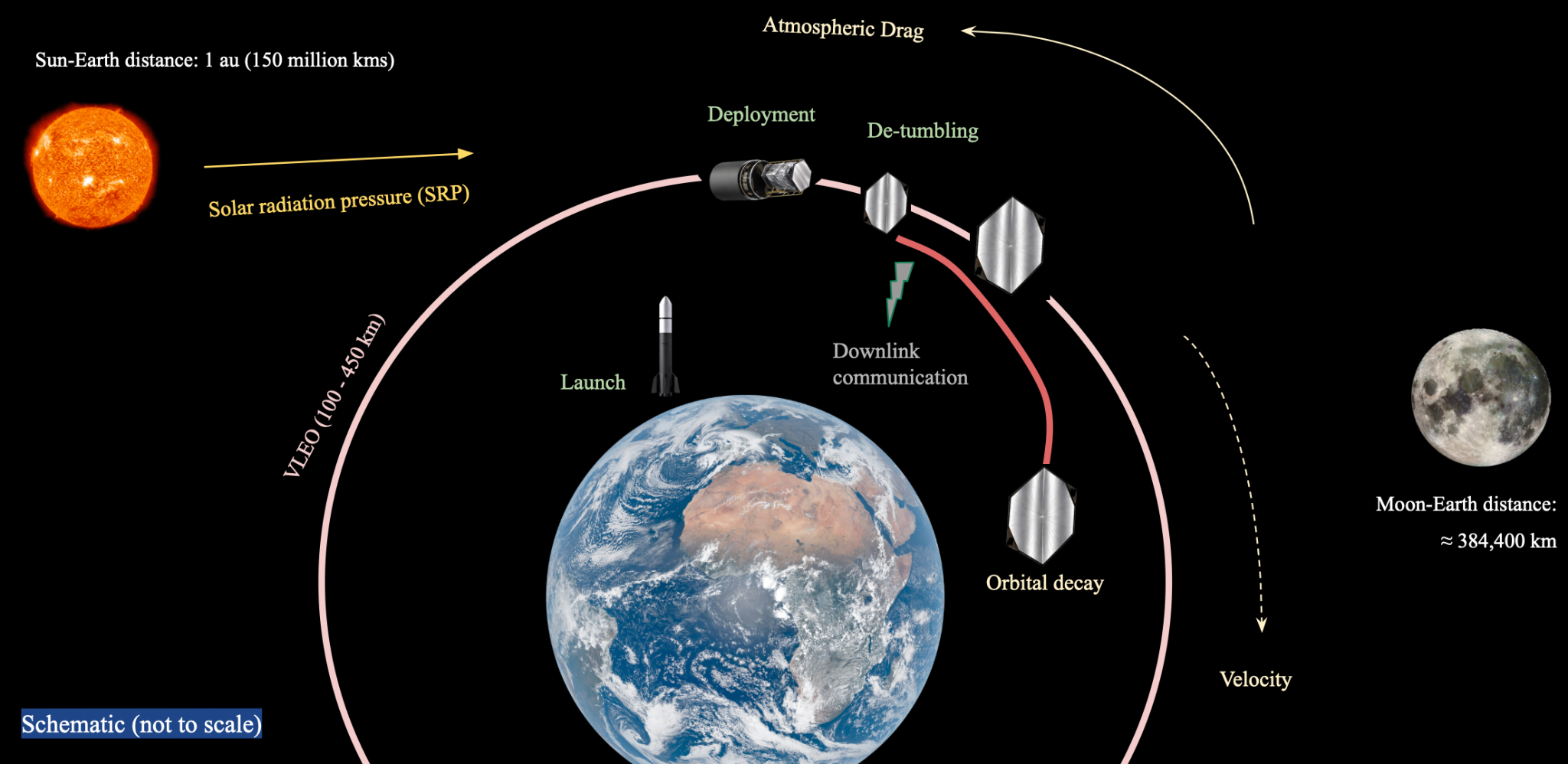
Duke's solar sail team competes in Earth Cup, an international engineering competition that advances solar sail technology. In Race 1, teams design and build small sailcraft for low Earth orbit that demonstrate spacecraft control, communications and solar radiation pressure.
After teams complete the STEP 2 build and testing requirements, Earth Cup plans to launch all participating teams' sails together aboard a Rocket Lab Electron rocket.
Our goal is to launch our sail into very low Earth orbit (VLEO), stay in orbit as long as possible and downlink inertial and telemetry data. The competition supports work on future space exploration and on space-based sunshades as one possible way to reduce Earth's warming. Earth Cup defines a standard for these membrane satellites, called MemSats, in its MemSat specification.
Power and sensors
The team started in summer 2026 with the preliminary design review of our prototype sail. For STEP 1, each team wrote and presented a technical white paper to the judges. Read our white paper.
I led the power and sensors subteam. I:
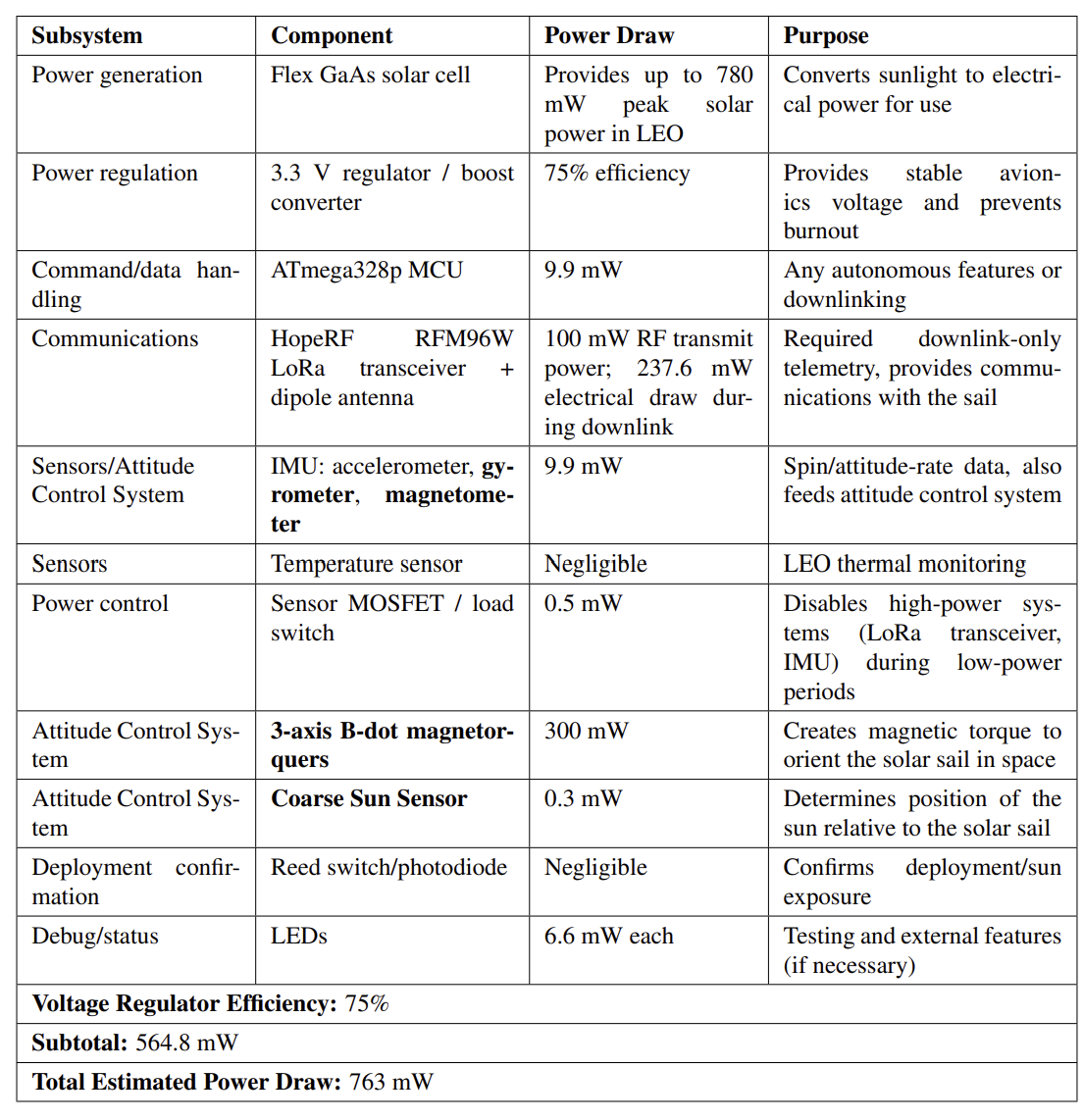
- researched lightweight solar power using GaAs photovoltaic cells
- researched power storage with ultrathin LiPo pouch cells
- calculated the spacecraft power budget, with a focus on power-to-mass ratio
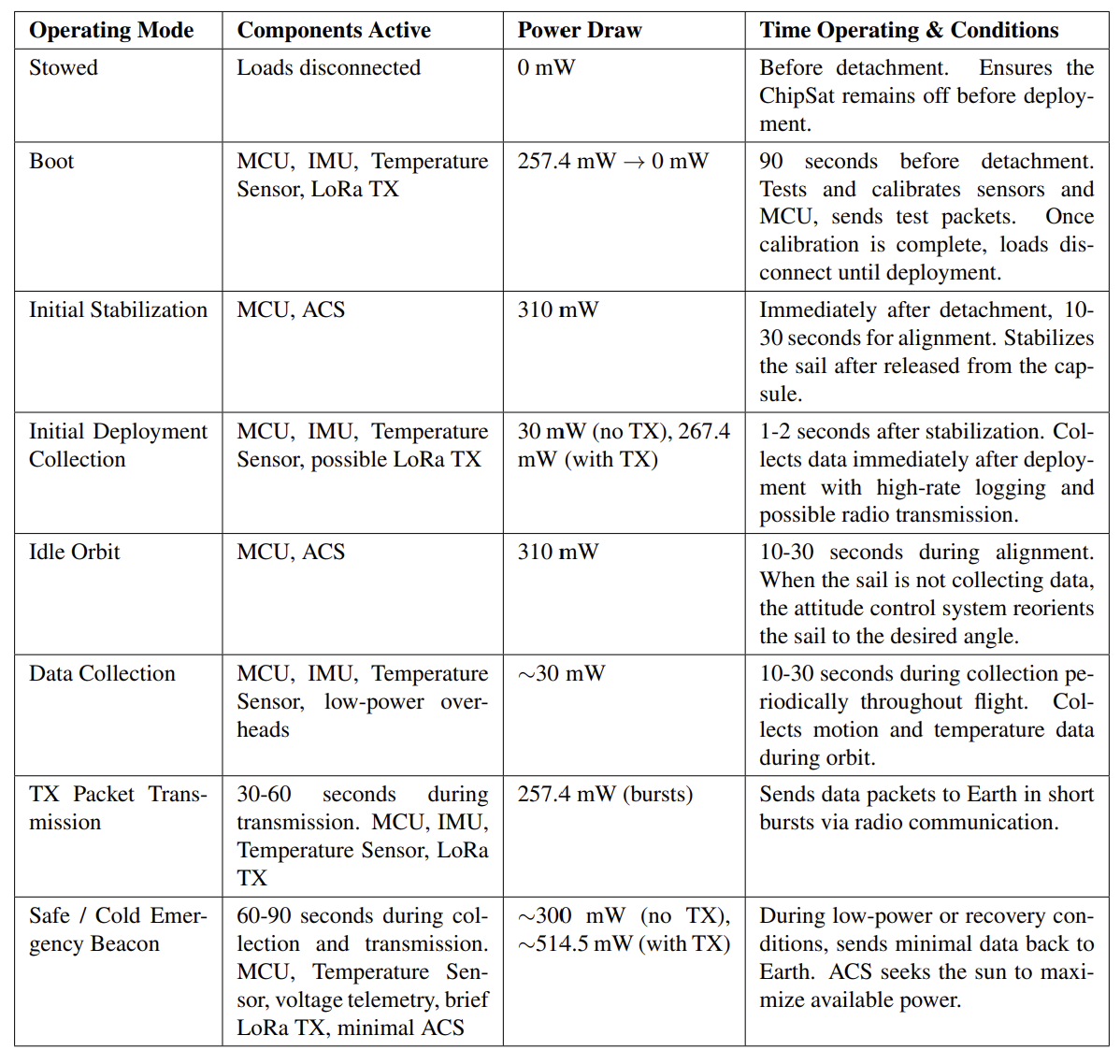
- defined operating modes based on orbit timing and conditions
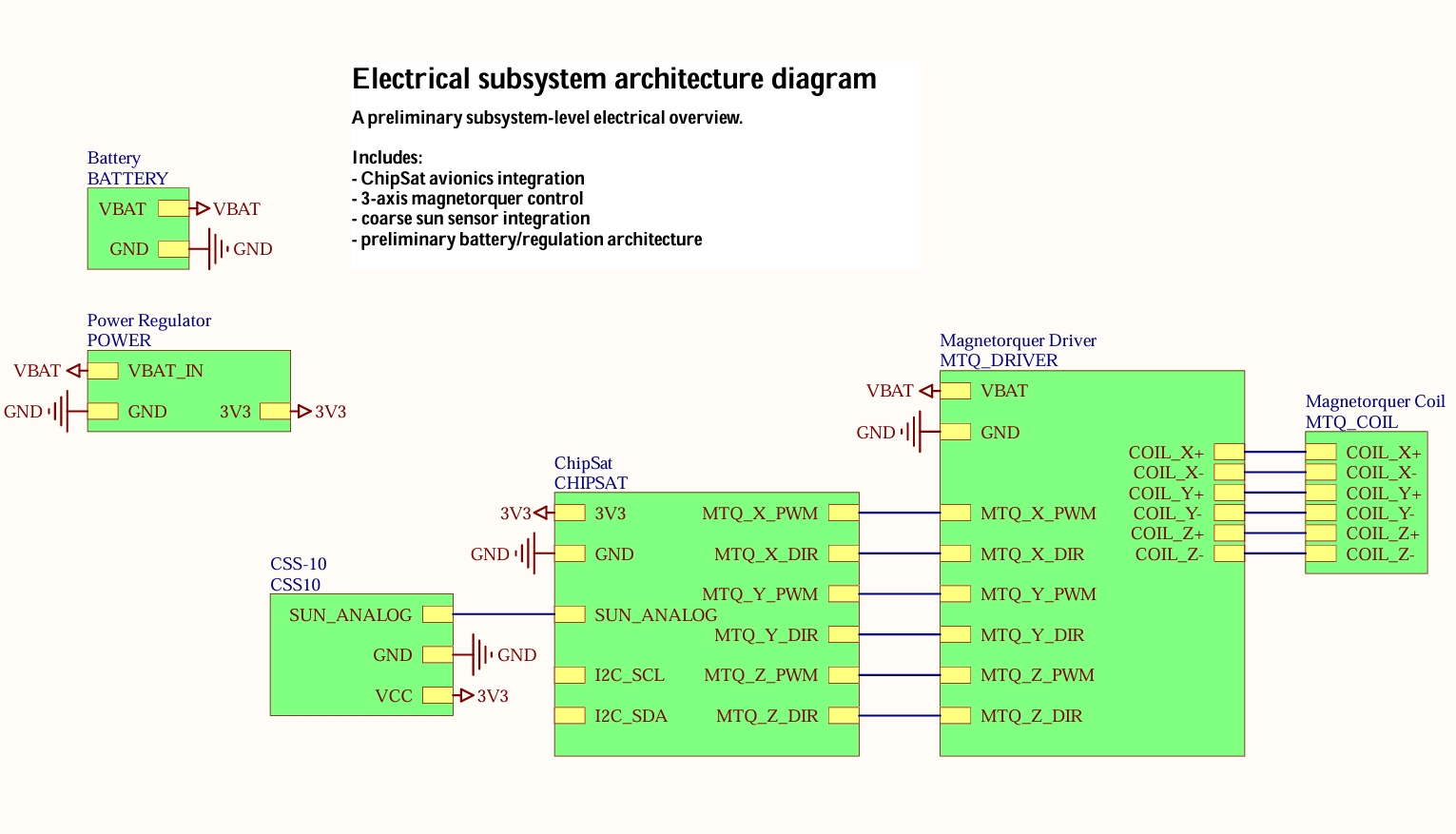
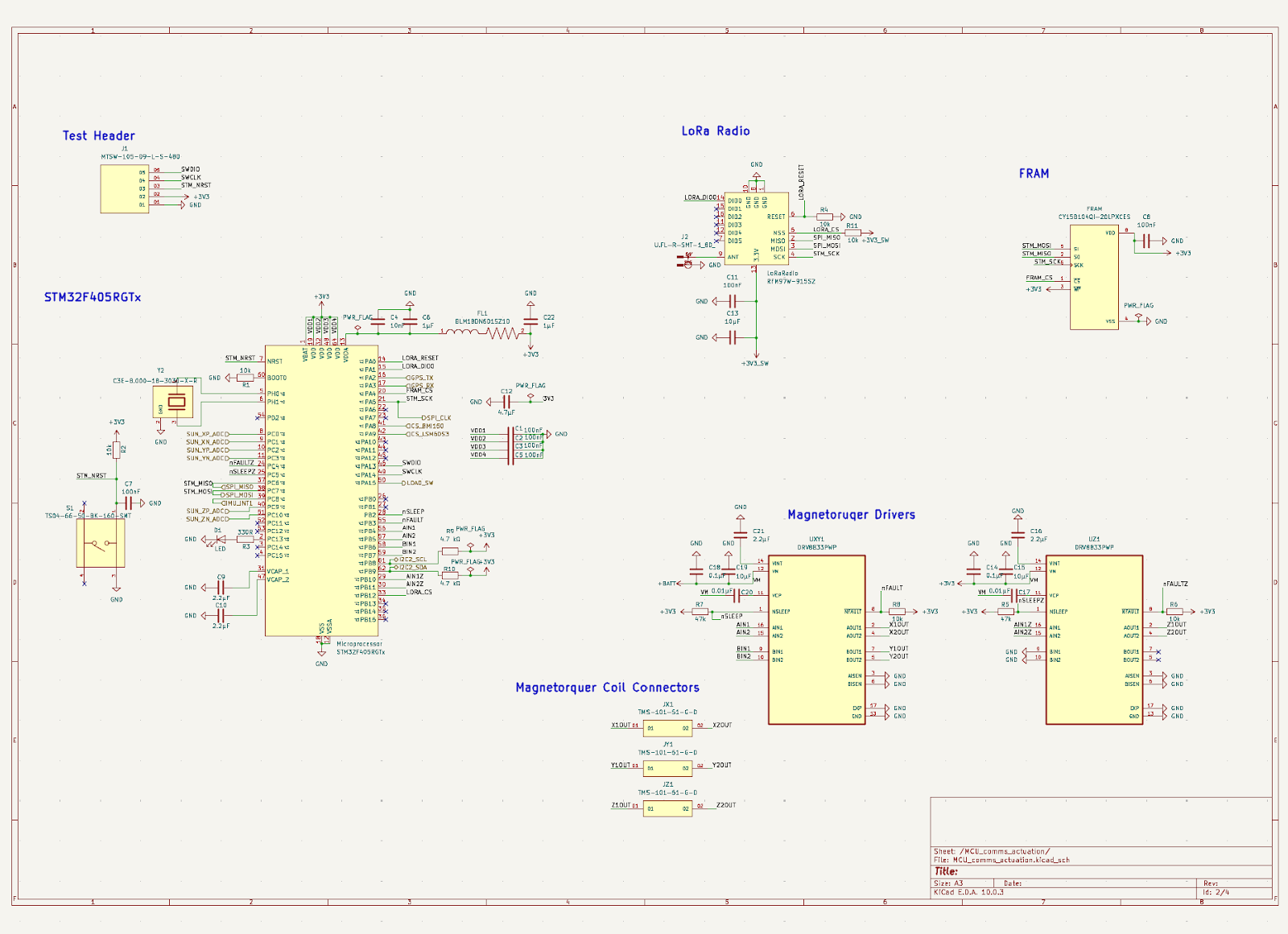
- designed the power subsystem's wiring architecture in KiCad
- evaluated onboard sensors for temperature and motion monitoring
Frame and node analysis
Back on campus, the team turned to the sail's physical architecture. With the electrical architecture settled, I moved to frame modal and node analysis. So far I have:
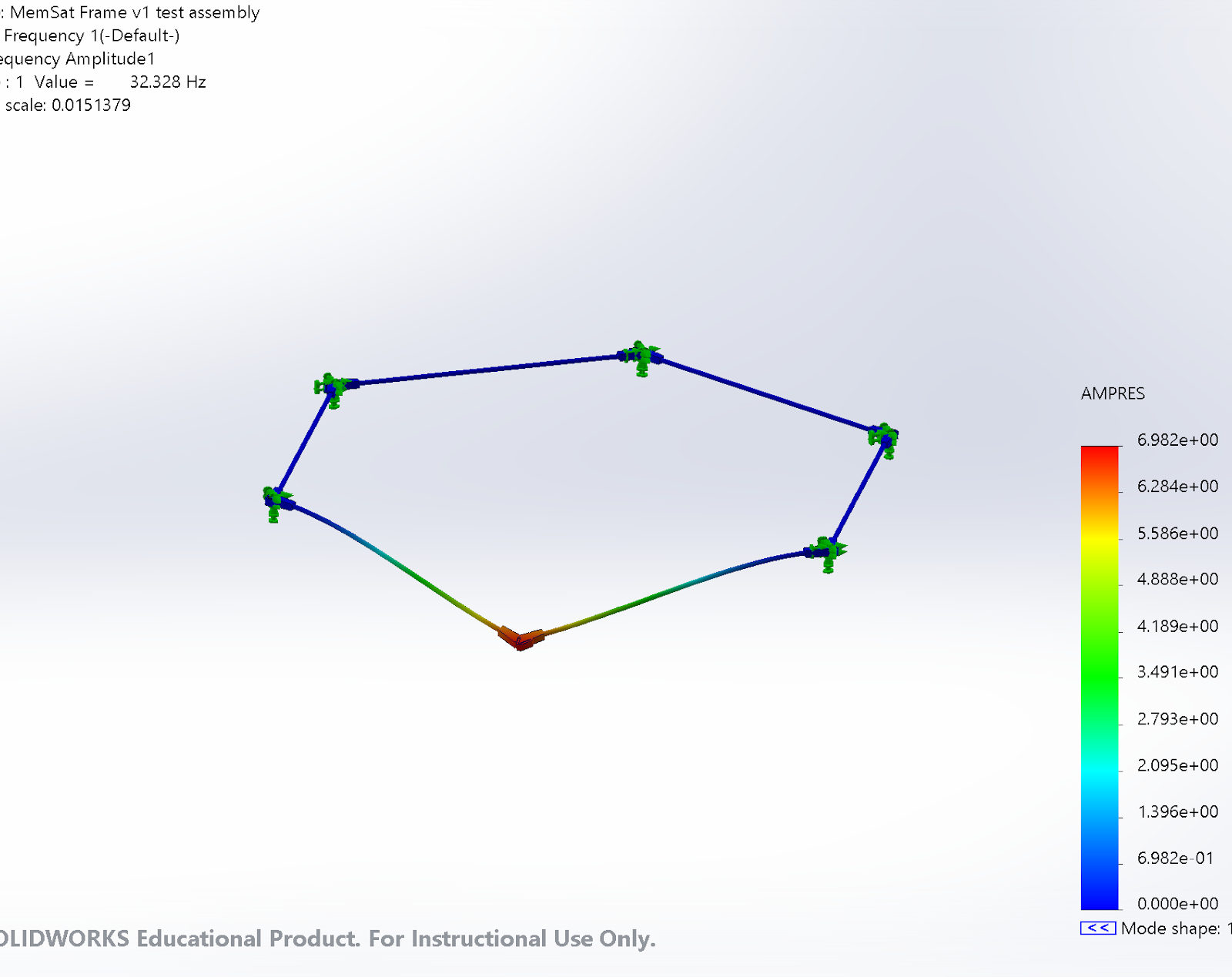
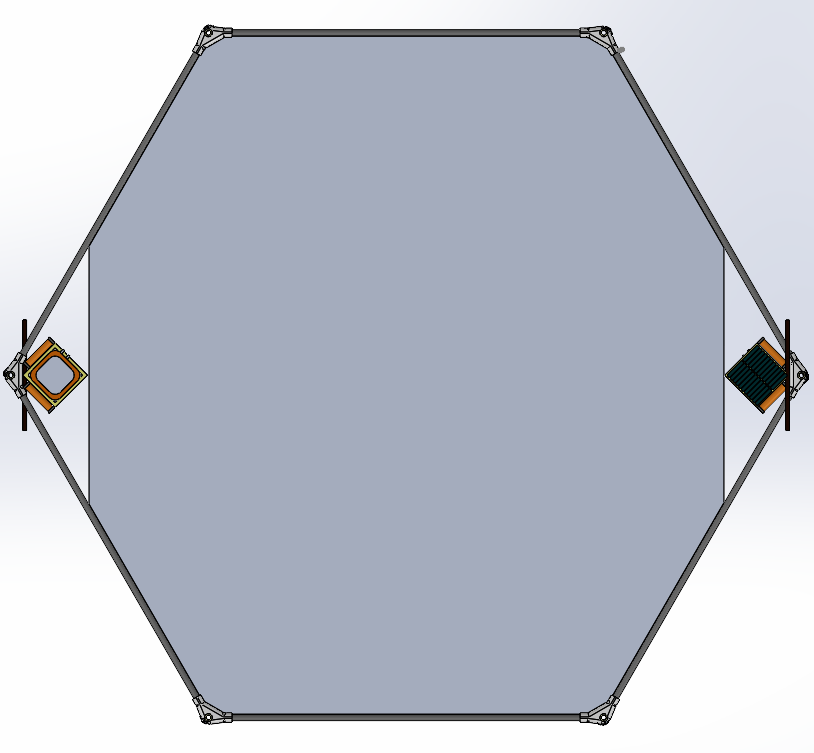
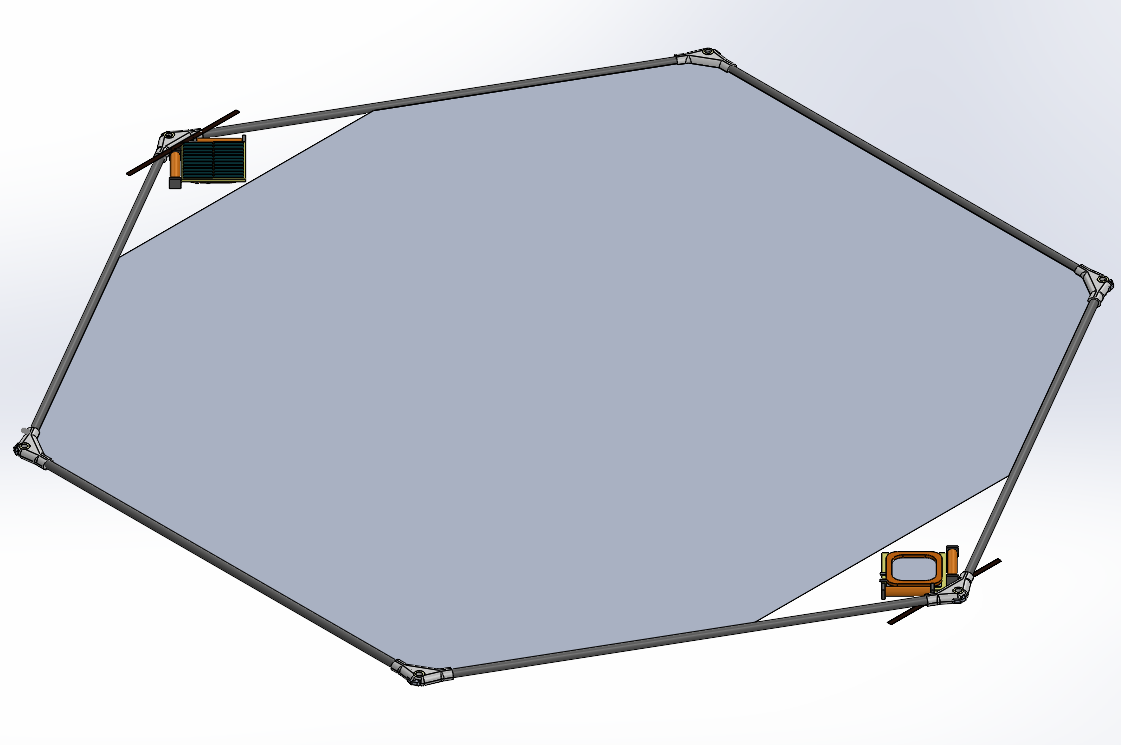
- run FEA on the sail frame to find its natural frequency and deflection
- compared the FEA results against a physical frame model we tested for natural frequency and deflection
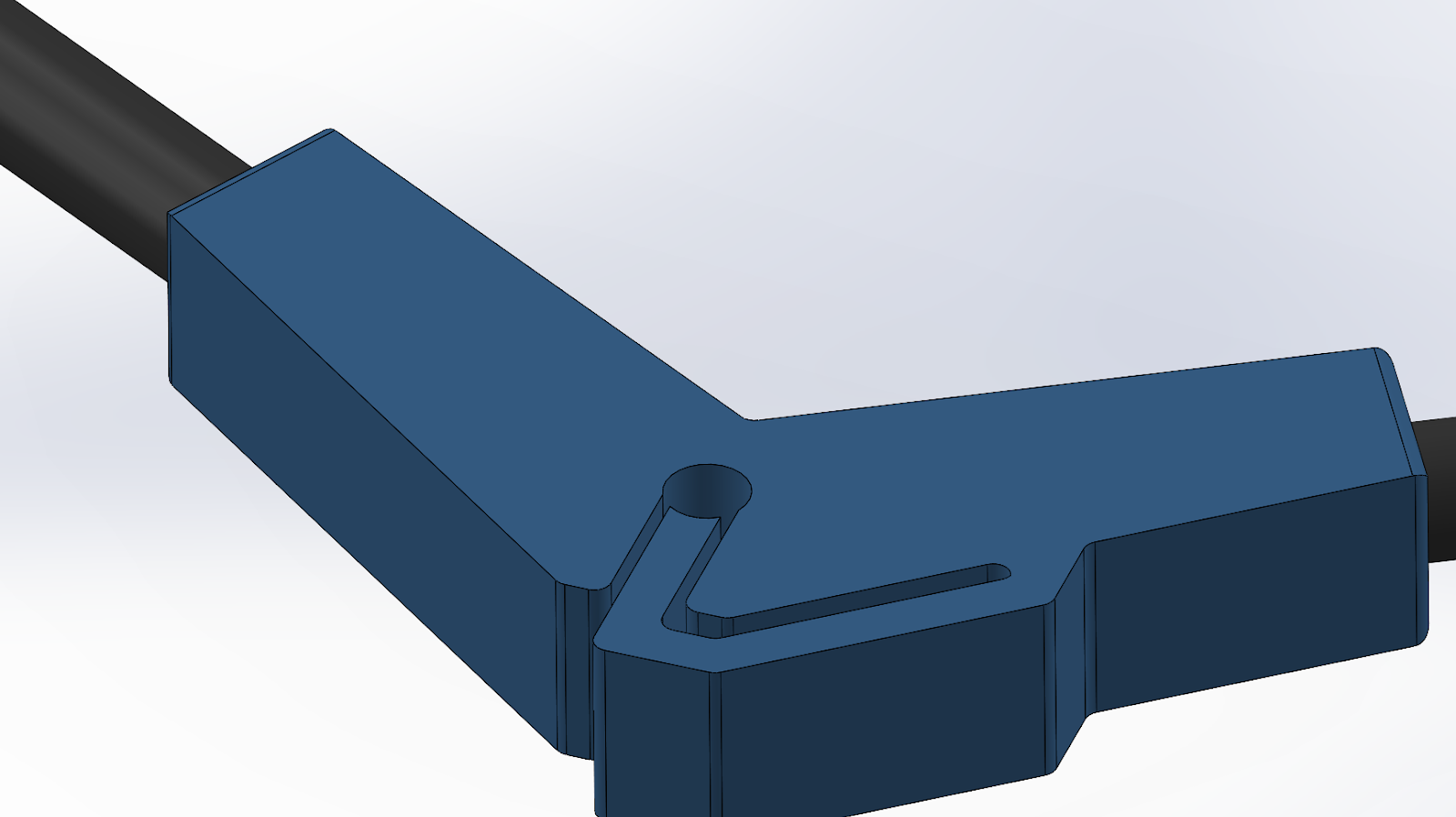
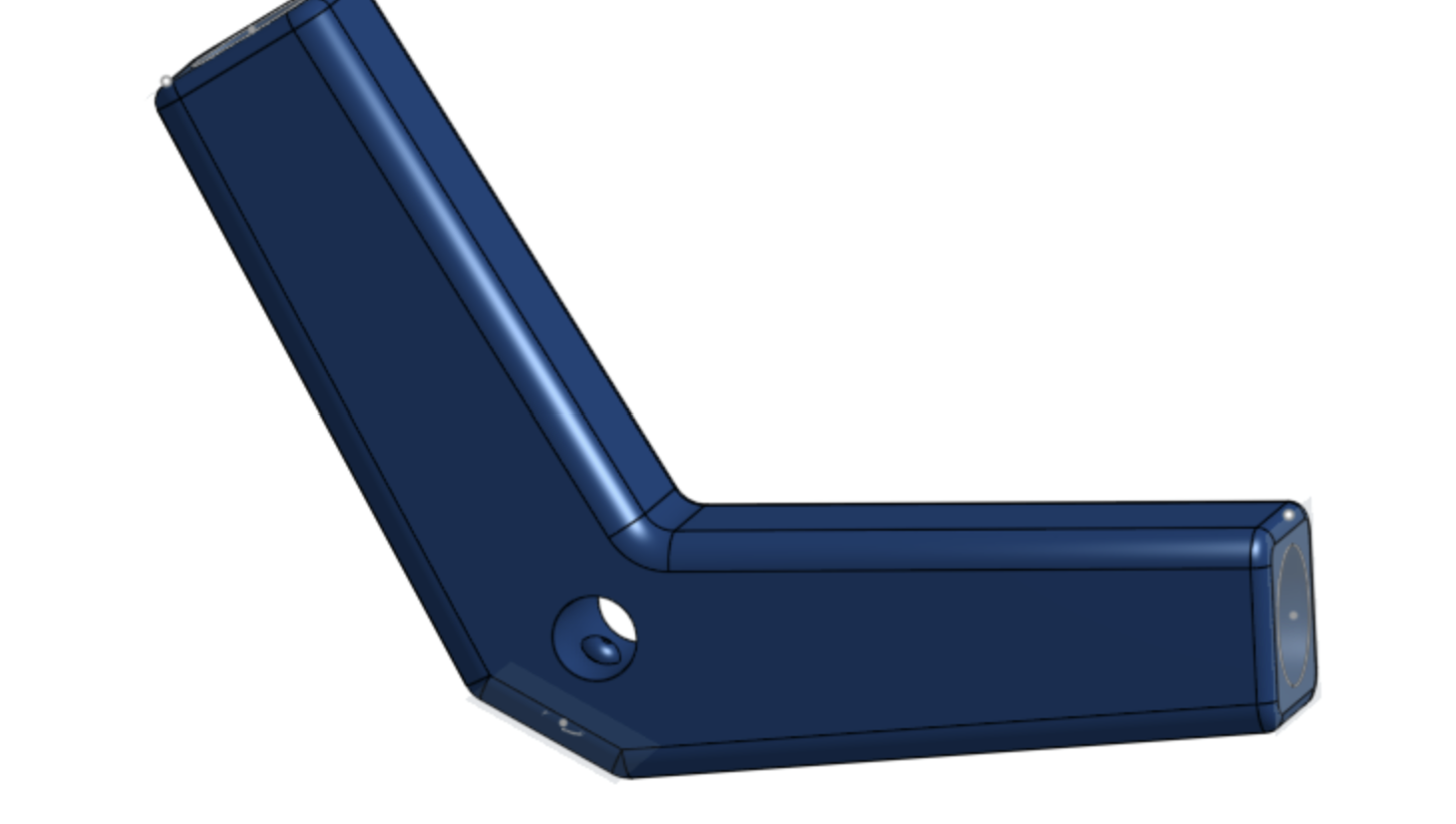
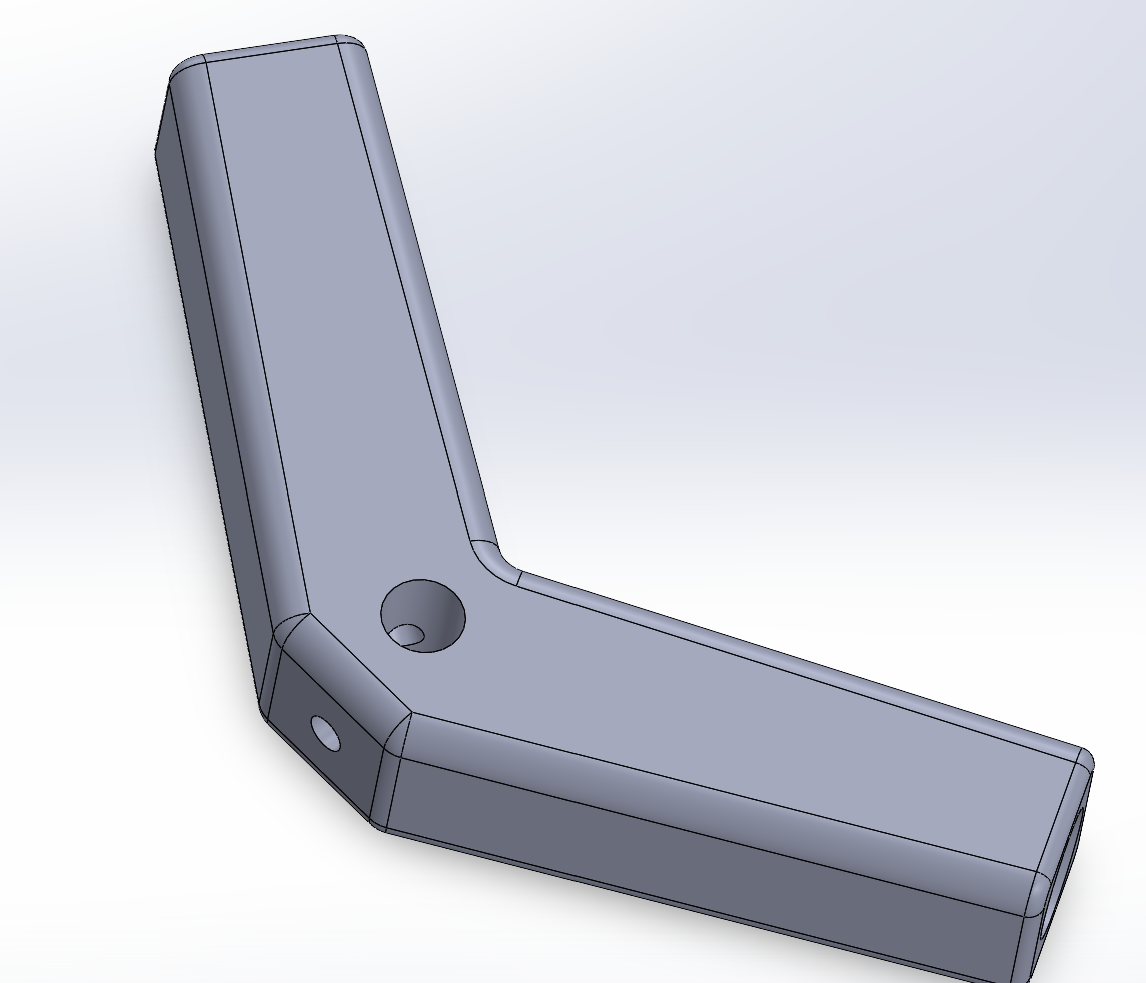
- researched node designs for the frame
- designed a flange-based node in SOLIDWORKS and Onshape that supports thread-skipping during transit
Early in the school year, our STEP 1 submission was approved and we advanced to STEP 2, where we are now building the solar sail in-house.